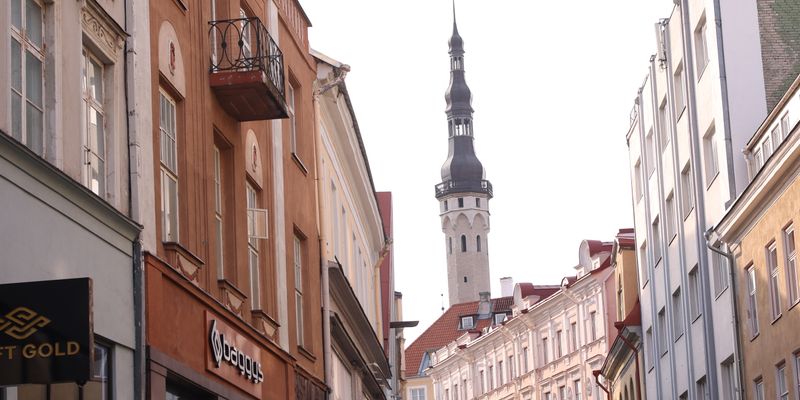
Living in Estonia
Tallinn, Europe
Living in Estonia: the short version
Estonia is the most digital country in Europe: almost every public service is online and you can register a company in hours. It has a flat 22% income tax with an €8,400 yearly allowance, a digital nomad visa and a small but busy start-up scene.
Best for: Tech workers, founders, start-up employees and remote workers who like a quiet, efficient country.
Why people move here
- Nearly all paperwork is online
- Simple flat income tax
- Digital Nomad Visa and Startup Visa routes
What to watch out for
- Long, dark winters
- Small domestic market and job pool outside tech
- Estonian is hard to learn
How to move to Estonia: main visa and residency routes
Summaries only — requirements and income thresholds change. Always check the official sources below.
- Digital Nomad Visa
- For remote workers earning at least €4,500 a month gross from foreign sources over the previous six months; valid for up to a year.
- Startup Visa
- For founders and staff of start-ups approved by Estonia’s Startup Committee.
- Temporary residence permit for employment
- For people hired by an Estonian employer, usually at or above the average gross salary.
Healthcare for newcomers
Residents covered by the Health Insurance Fund (Tervisekassa) through employment get public care. Waits for specialists can be long, so many expats also use private clinics in Tallinn and Tartu.
How Estonia compares
Calculated from our data for all 66 countries. How we calculate this
- Cost of living rank
- 25th most expensive of 66
- Single person, core costs
- $1,625/mo
- Family of four, core costs
- $3,095/mo
- Take-home on $60,000
- $46,963/yr
- Renting a one-bedroom home takes about 34% of the average local salary in Estonia, less than the median of 36% across the countries we cover.
- Core monthly costs for one person (rent, groceries, transport, utilities, internet and eating out) come to about $1,625, or 68% of the average local monthly salary.
- On a gross salary of $60,000 taxed locally, our estimate leaves $46,963 a year after income tax and employee social security (an effective rate of 22%), the 14th highest take-home pay of 66 countries. After single-person core costs, that leaves roughly $27,463 a year to save or spend.
- Countries with a similar overall cost of living: Italy, South Korea, Cyprus.
- Cheaper options in Europe: Italy, Cyprus, Spain.
Estimates for planning, using simplified national tax brackets in US dollars; local taxes, deductions and your own spending will differ. Try your own numbers in the tax calculator or budget planner.
Estonia: quick answers
- How much does it cost to live in Estonia?
- A single person needs about $1,625 a month for core costs in Estonia, and a family of four about $3,095 before childcare and school fees. A one-bedroom apartment averages about $800 a month and groceries about $330. That makes Estonia the 25th most expensive of the 66 countries we cover.
- How much tax do you pay in Estonia?
- On a $60,000 salary you would keep about $46,963 a year in Estonia after income tax and employee social security, an effective rate of about 22%. Income tax rises to a top rate of 22%, and employees pay about 3.6% in social security. VAT is 24%.
- What is the average salary in Estonia?
- The average gross salary in Estonia is about $28,500 a year, and unemployment is around 7.5%. Finding work as a foreigner is rated moderate. Main industries: Software & IT, Fintech and Logistics.
- How can I move to Estonia?
- The main ways to live in Estonia are the Digital Nomad Visa, Startup Visa and Temporary residence permit for employment. Digital Nomad Visa: For remote workers earning at least €4,500 a month gross from foreign sources over the previous six months; valid for up to a year. Requirements change, so check the official immigration source before applying.
- Is Estonia a good place to live?
- Estonia suits tech workers, founders, start-up employees and remote workers who like a quiet, efficient country. Main advantages: Nearly all paperwork is online. Simple flat income tax. Main drawbacks: Long, dark winters. Small domestic market and job pool outside tech.
Our guides to Estonia
Cost of Living
Cost of living index: 60 (NYC = 100)
Rent (1BR)
$800
Rent (3BR)
$1450
Groceries
$330
Transport
$35
Utilities
$200
Internet
$30
Dining Out
$230
Tax System
Corporate Tax
22%
VAT / Sales Tax
24%
Social Security
3.6%
Capital Gains
22%
Income Tax Brackets
| Income Range (USD) | Tax Rate |
|---|---|
| $0 - $8,400 | 0% |
| $8,401 - Above | 22% |
Culture
Estonia is a small Baltic state known for running almost everything online, from tax returns to company registration. Tallinn’s medieval old town sits next to a start-up scene that produced Skype, Wise and Bolt.
Traditions
- Midsummer (Jaanipäev) bonfires on 23–24 June
- The Song Festival every five years
- Sauna culture
- Independence Day (24 February)
Cultural Values
- Privacy and personal space
- Self-reliance
- Directness
- Love of nature
Common Greeting: Tere!
Cultural Tips
- • Small talk is rare; directness is not rudeness
- • Your ID card does almost everything online, including signing contracts
- • Winters are dark: daylight is about six hours in December
- • About a quarter of residents speak Russian as a first language
🍽 Food & Cuisine
Estonian food is Nordic and seasonal: dark rye bread, potatoes, pork, smoked fish and foraged berries and mushrooms.
Rukkileib
Dense dark rye bread eaten with almost every meal
Verivorst
Blood sausage with lingonberry jam, eaten at Christmas
Kiluvõileib
Rye bread topped with spiced sprats and boiled egg
Kama
A flour mix of roasted grains stirred into kefir or buttermilk
Sources and methodology
Figures on this page are estimates in US dollars, compiled from the international datasets below and converted at recent exchange rates. The cost of living index uses New York City as 100. Guidance was last reviewed on . Found something out of date? Tell us.
Official Estonia sources
Data sources
- PwC Worldwide Tax Summaries — individual income tax
- Numbeo — cost of living (crowdsourced prices)
- World Bank Open Data — economic and population indicators
- OECD Tax Database — tax rates and social contributions
- ILOSTAT — employment and unemployment
- UNDP Human Development Reports — health and education
- UN World Population Prospects — population
Quality of Life
Job Market
Average Annual Salary
$28,500
Job Difficulty
Moderate
Unemployment Rate
7.5%
Work Permit Required
Yes
Top Industries
Languages
Official Languages
Other Languages Spoken