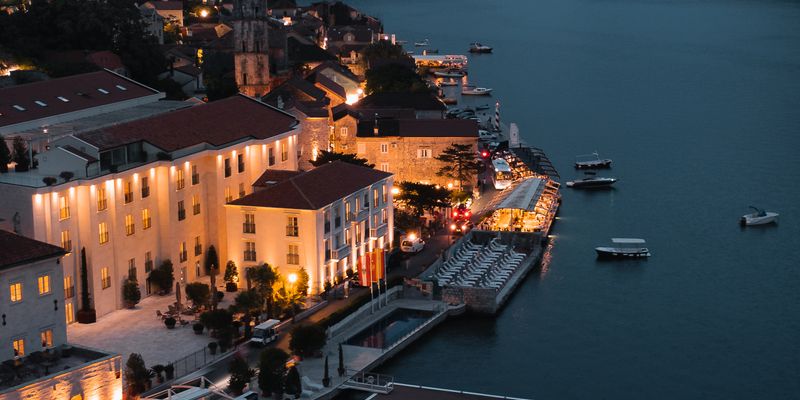
Living in Montenegro
Podgorica, Europe
Living in Montenegro: the short version
Montenegro offers dramatic Adriatic coastline, low taxes and the euro as its currency, all in a country of about 620,000 people. It is an EU candidate, and foreigners can get temporary residence through remote work, property ownership or a local company.
Best for: Remote workers, property buyers and people who want a coastal base close to the EU on a modest budget.
Why people move here
- Flat 9–15% income tax and 15% top rate
- Uses the euro
- Digital nomad residence permit for remote workers
What to watch out for
- Very small job market with low local salaries
- The coast empties out in winter and fills up in summer
- Healthcare is limited outside Podgorica
How to move to Montenegro: main visa and residency routes
Summaries only — requirements and income thresholds change. Always check the official sources below.
- Digital nomad temporary residence
- For people working remotely for foreign employers or their own foreign business; issued for up to two years and renewable once.
- Temporary residence as a property owner
- For foreigners who own a residential property in Montenegro; renewed yearly.
- Temporary residence through a company
- For founders or directors of a registered Montenegrin company with a work permit.
Healthcare for newcomers
Public healthcare is basic. Most expats use private clinics in Podgorica, Budva and Tivat and carry private health insurance, which is also required for residence.
How Montenegro compares
Calculated from our data for all 66 countries. How we calculate this
- Cost of living rank
- 31st cheapest of 66
- Single person, core costs
- $1,285/mo
- Family of four, core costs
- $2,396/mo
- Take-home on $60,000
- $47,121/yr
- Renting a one-bedroom home takes about 54% of the average local salary in Montenegro, more than the median of 36% across the countries we cover.
- Core monthly costs for one person (rent, groceries, transport, utilities, internet and eating out) come to about $1,285, or 106% of the average local monthly salary.
- On a gross salary of $60,000 taxed locally, our estimate leaves $47,121 a year after income tax and employee social security (an effective rate of 21%), the 12th highest take-home pay of 66 countries. After single-person core costs, that leaves roughly $31,701 a year to save or spend.
- Countries with a similar overall cost of living: Greece, Czech Republic, Panama.
- Cheaper options in Europe: Portugal, Croatia, Romania.
Estimates for planning, using simplified national tax brackets in US dollars; local taxes, deductions and your own spending will differ. Try your own numbers in the tax calculator or budget planner.
Montenegro: quick answers
- How much does it cost to live in Montenegro?
- A single person needs about $1,285 a month for core costs in Montenegro, and a family of four about $2,396 before childcare and school fees. A one-bedroom apartment averages about $650 a month and groceries about $280. That makes Montenegro the 31st cheapest of the 66 countries we cover.
- How much tax do you pay in Montenegro?
- On a $60,000 salary you would keep about $47,121 a year in Montenegro after income tax and employee social security, an effective rate of about 21%. Income tax rises to a top rate of 15%, and employees pay about 10.5% in social security. VAT is 21%.
- What is the average salary in Montenegro?
- The average gross salary in Montenegro is about $14,500 a year, and unemployment is around 11%. Finding work as a foreigner is rated difficult. Main industries: Tourism & hospitality, Real estate & construction and Energy.
- How can I move to Montenegro?
- The main ways to live in Montenegro are the Digital nomad temporary residence, Temporary residence as a property owner and Temporary residence through a company. Digital nomad temporary residence: For people working remotely for foreign employers or their own foreign business; issued for up to two years and renewable once. Requirements change, so check the official immigration source before applying.
- Is Montenegro a good place to live?
- Montenegro suits remote workers, property buyers and people who want a coastal base close to the EU on a modest budget. Main advantages: Flat 9–15% income tax and 15% top rate. Uses the euro. Main drawbacks: Very small job market with low local salaries. The coast empties out in winter and fills up in summer.
Our guides to Montenegro
- Moving to Montenegro in 2026: Residence, Costs and Taxes · Immigration
Cost of Living
Cost of living index: 44 (NYC = 100)
Rent (1BR)
$650
Rent (3BR)
$1100
Groceries
$280
Transport
$35
Utilities
$120
Internet
$30
Dining Out
$170
Tax System
Corporate Tax
12%
VAT / Sales Tax
21%
Social Security
10.5%
Capital Gains
15%
Income Tax Brackets
| Income Range (USD) | Tax Rate |
|---|---|
| $0 - $8,400 | 0% |
| $8,401 - $12,000 | 9% |
| $12,001 - Above | 15% |
Culture
Montenegro is a small Adriatic country of fjord-like bays, walled coastal towns and high mountains. It uses the euro without being in the EU and is a candidate for membership, which has drawn property buyers and remote workers to the coast.
Traditions
- Statehood Day (13 July)
- Kotor Carnival and summer festivals
- Slava, the family patron saint day
- Sunday family lunches
Cultural Values
- Family and clan ties
- Hospitality
- A relaxed attitude to time
- Pride and honour
Common Greeting: Zdravo! / Dobar dan!
Cultural Tips
- • Life runs at a slow pace; build in time for paperwork
- • The coast is busy in July and August and quiet in winter
- • Smoking in cafés is still common despite rules
- • Learn a few words of Montenegrin; it is understood across the region
🍽 Food & Cuisine
Montenegrin food splits between coastal seafood and olive oil and mountain cooking based on lamb, smoked ham and cheese.
Njeguški pršut
Air-dried smoked ham from the village of Njeguši
Kačamak
Cornmeal and potato porridge with cheese and kajmak
Crni rižot
Black squid-ink risotto served along the Bay of Kotor
Jagnjetina ispod sača
Lamb and potatoes slow-cooked under a metal bell covered in embers
Sources and methodology
Figures on this page are estimates in US dollars, compiled from the international datasets below and converted at recent exchange rates. The cost of living index uses New York City as 100. Guidance was last reviewed on . Found something out of date? Tell us.
Official Montenegro sources
Data sources
- PwC Worldwide Tax Summaries — individual income tax
- Numbeo — cost of living (crowdsourced prices)
- World Bank Open Data — economic and population indicators
- OECD Tax Database — tax rates and social contributions
- ILOSTAT — employment and unemployment
- UNDP Human Development Reports — health and education
- UN World Population Prospects — population
Quality of Life
Job Market
Average Annual Salary
$14,500
Job Difficulty
Difficult
Unemployment Rate
11%
Work Permit Required
Yes
Top Industries
Languages
Official Languages
Other Languages Spoken